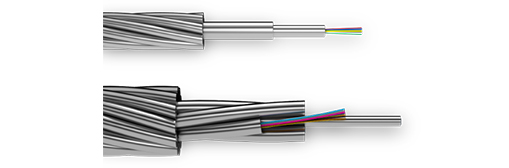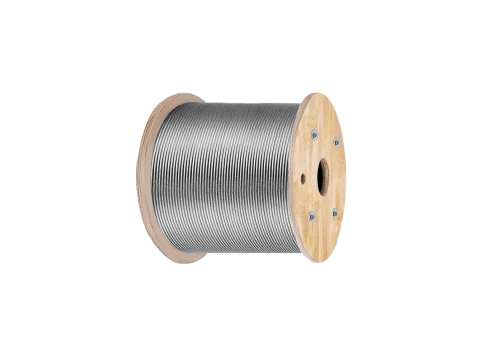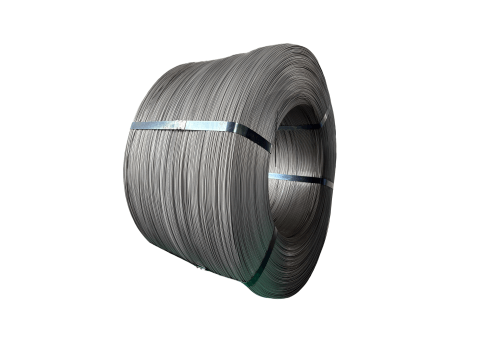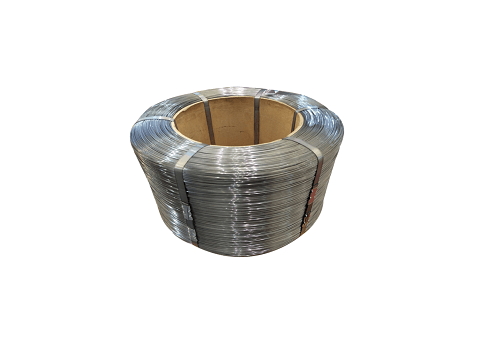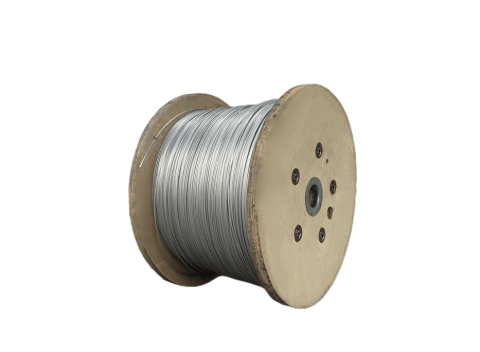
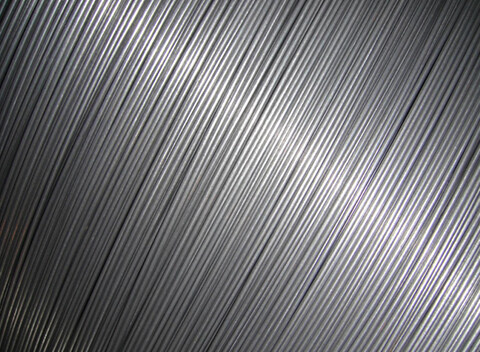
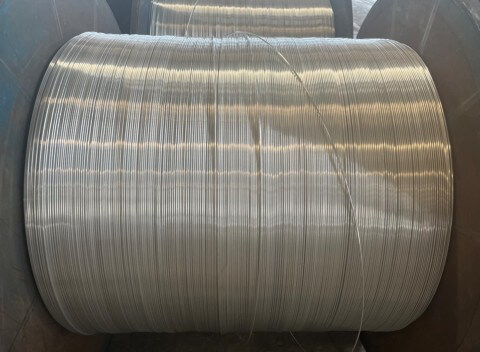

-Aluminum-clad steel wire is a bimetallic composite material in which aluminum is continuously and uniformly cladded onto a steel core. It combines good electrical conductivity, excellent corrosion resistance, superior high-frequency transmission performance, and high tensile strength. It is widely used in power and communication lines that require lightweight construction, high strength, and long-term resistance to environmental exposure.
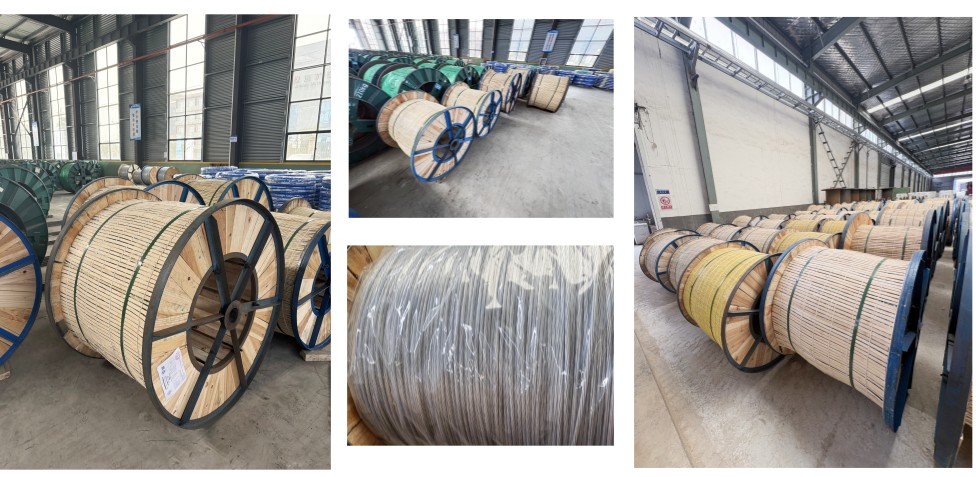
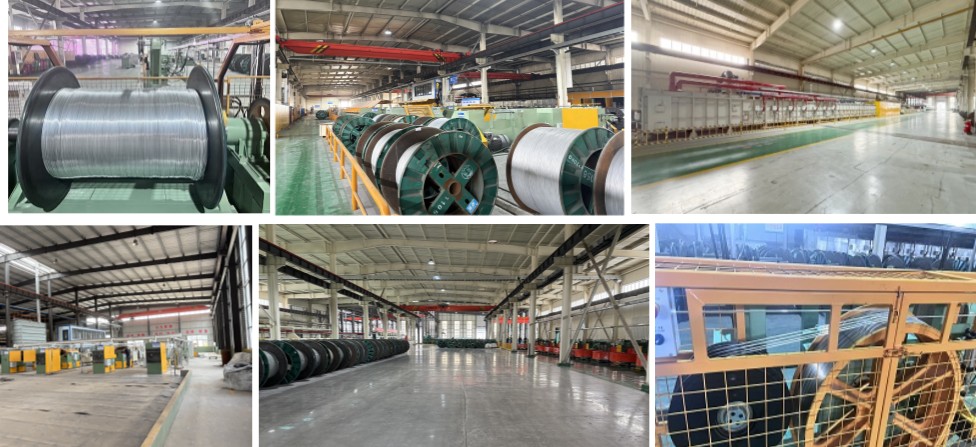
-Annual production capacity reaches 100,000 tons, supporting a wide range of customer-specific requirements.
LB14
LB20
LB27
LB40
| Grade | Diameter |
Min.Tensile Strength |
Min.Stress at 1% Elogation |
Min.Elogation at Fraction |
Min.Elogation after Fraction |
Max.Resistance at 20℃ |
| (mm) | (MPa) | (MPa) | (%) | (%) | (nΩ·m) | |
| A |
2.25 |
1590 | 1410 | 1.5 | 1.0 | 123.15 |
3.00| 1550 |
1380 |
| ||||
3.50| 1520 |
1340 |
| ||||
4.75| 1500 |
1270 |
| ||||
| B | 1.75| 1825 |
1550 |
1.5 |
1.0 |
| |
2.25| 1790 |
1500 |
| ||||
3.00| 1760 |
1470 |
| ||||
3.50| 1725 |
1430 |
| ||||
| C | 1.24| 1965 |
1580 |
1.5 |
1.0 |
| |
2.25| 1900 |
1550 |
| ||||
3.00| 1860 |
1515 |
| ||||
3.50| 1825 |
1480 |
| ||||
| D | 2.25| 1590 |
1410 |
2.5 |
2.0 |
| |
3.00| 1550 |
1380 |
| ||||
3.50| 1520 |
1340 |
| ||||
4.75| 1500 |
1270 |
|
Partial parameters shown; production can comply with various international standards and supports customer-specific customization.
Reference standards: IEC 1232, ASTM B502, ASTM B415, GB/T17937-2024.
Raw materials: Steel wire 72A; Aluminum Zn99.99.
| Grade | Diameter |
Min.Tensile Strength |
Min.Stress at 1% Elogation |
Min.Elogation at Fraction |
Min.Elogation after Fraction |
Max.Resistance at 20℃ |
| (mm) | (MPa) | (MPa) | (%) | (%) | (nΩ·m) | |
| A |
1.24 |
1340 | 1200 | 1.5 | 1.0 | 84.80 |
3.25| 1310 |
1180 |
| ||||
3.45| 1270 |
1140 |
| ||||
3.65| 1250 |
1100 |
| ||||
3.95| 1210 |
1100 |
| ||||
4.10| 1180 |
1070 |
| ||||
4.40| 1140 |
1030 |
| ||||
4.60| 1100 |
1000 |
| ||||
4.75| 1070 |
1000 |
| ||||
| B | 1.28| 1620 |
1390 |
1.5 |
1.0 |
| |
2.28| 1580 |
1360 |
| ||||
3.04| 1545 |
1330 |
| ||||
3.55| 1515 |
1300 |
| ||||
| C | 1.24| 1340 |
1200 |
2.5 |
2.0 |
| |
3.25| 1310 |
1180 |
| ||||
3.45| 1270 |
1140 |
| ||||
3.65| 1250 |
1100 |
| ||||
3.95| 1210 |
1100 |
| ||||
4.10| 1180 |
1070 |
| ||||
4.40| 1140 |
1030 |
| ||||
4.60| 1100 |
1000 |
| ||||
4.75| 1070 |
1000 |
|
| Grade | Diameter |
Min.Tensile Strength |
Min.Stress at 1% Elogation |
Min.Elogation at Fraction |
Min.Elogation after Fraction |
Max.Resistance at 20℃ |
| (mm) | (MPa) | (MPa) | (%) | (%) | (nΩ·m) | |
|
2.50 |
1080 | 800 | 1.5 | 1 | 63.86 |
| Grade | Diameter |
Min.Tensile Strength |
Min.Stress at 1% Elogation |
Min.Elogation at Fraction |
Min.Elogation after Fraction |
Max.Resistance at 20℃ |
| (mm) | (MPa) | (MPa) | (%) | (%) | (nΩ·m) | |
|
2.50 |
680 | 500 | 1.5 | 1.0 | 43.10 |
-Superior corrosion resistance due to thick electrical-grade aluminum coating;
-Wider range of strength and conductivity combinations;
-Lighter weight;
-Excellent thermal stability;
-Offers multiple product types covering a broad range of performance, quality, and different wire and aluminum coating specifications;
-Compared to conventional ACSR conductors, it is approximately 5% lighter in weight, offers 2–3% higher current-carrying capacity, and reduces power loss by 4–6%. As a result, it delivers a longer service life without increasing installation costs.
-OPGW
-Overhead transmission conductors (such as ACSR/AW)
-Railway electrification systems