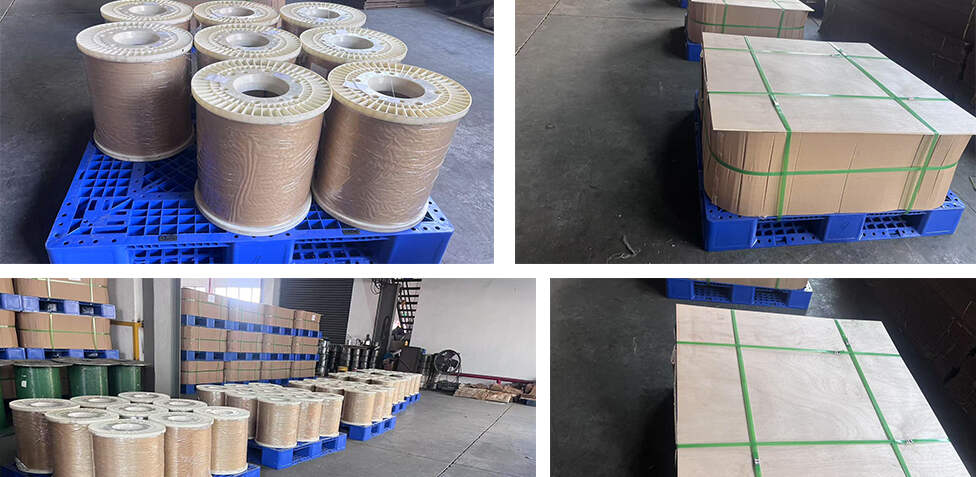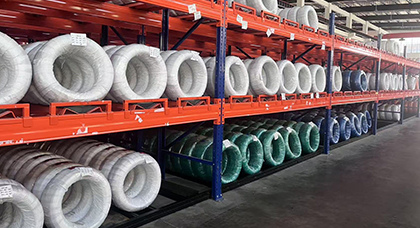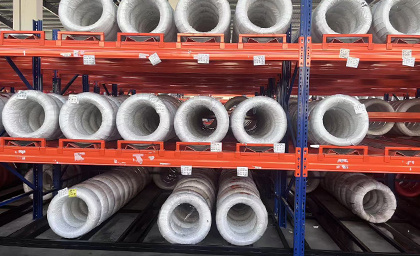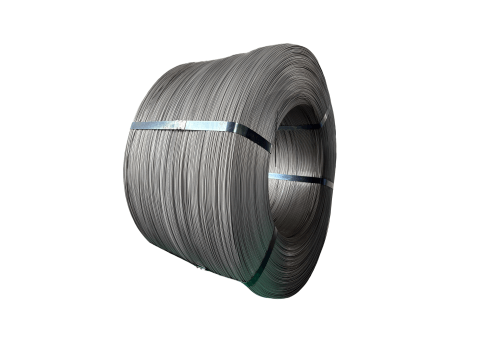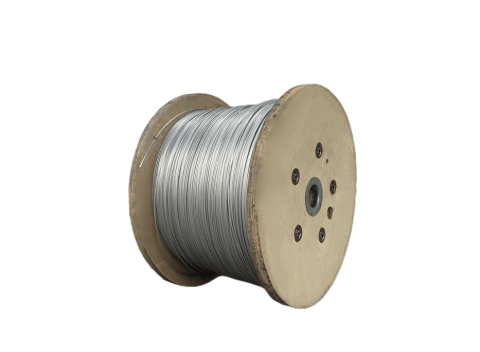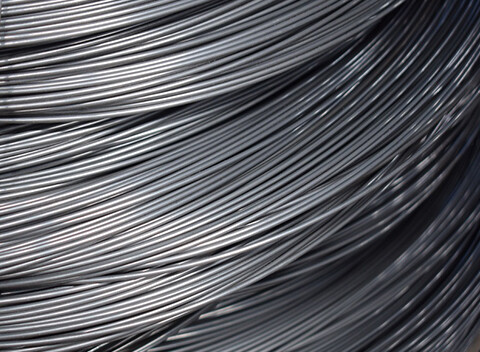
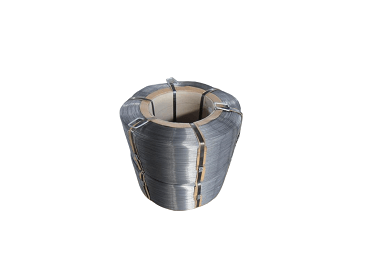
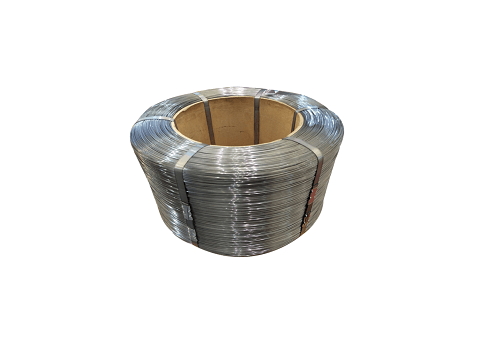
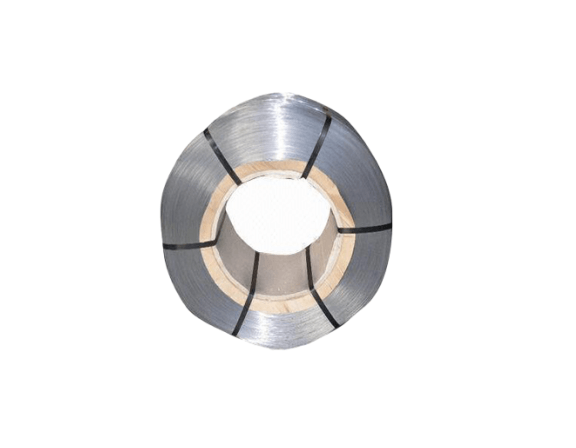
-Made from high carbon steel rods. Wires with diameter above 1.0 mm are cold drawn and then phosphated, wires below 1.0 mm require heat treatment.
-The phosphated surface provides excellent lubrication and rust resistance, serving as strength support elements in optical cables.
-Annual capacity of 30,000 tons, meeting different customer needs.
Technical Parameters
|
Diameter |
Tolerance |
Phosphating Film Weight |
Elastic modulus |
|
(mm) |
(mm) |
(g/m²) |
(GPa) |
|
0.35≤ d <0.50 |
±0.01 |
≥0.4 |
≥186 |
|
0.50≤ d <0.80 |
±0.01 |
≥0.6 |
≥186 |
|
0.80≤ d <1.00 |
±0.02 |
≥0.6 |
≥186 |
|
1.00≤ d <1.30 |
±0.02 |
≥1.0 |
≥186 |
|
1.30≤ d <1.60 |
±0.02 |
≥1.0 |
≥186 |
|
1.60≤ d <1.80 |
±0.03 |
≥1.0 |
≥186 |
|
1.80≤ d <2.00 |
±0.03 |
≥1.0 |
≥186 |
|
2.00≤ d <2.30 |
±0.03 |
≥1.5 |
≥186 |
|
2.30≤ d <3.00 |
±0.03 |
≥1.5 |
≥186 |
Diameter range: 0.35–3.0 mm.
Strength grades: 1570, 1670, 1770, 1870, 1960, 2160 MPa.
Elastic modulus: Greater than 186.
Raw materials: Carbon steel #60, #72A, #80, #82A.
Reference standard: GB/T 24202-2021.
-Phosphated steel wire for optical cables requires very high elastic modulus and tensile strength;
-High dimensional accuracy and good straightness;
-Dense and uniform phosphating film on the surface;
-The phosphating film chemically stabilizes the wire surface, preventing chemical reactions with cable grease, effectively avoiding hydrogen-induced damage.
-Used as strength support components in optical cables.